
How to Handle the Bread Basket So it Doesn’t Make You Hungrier
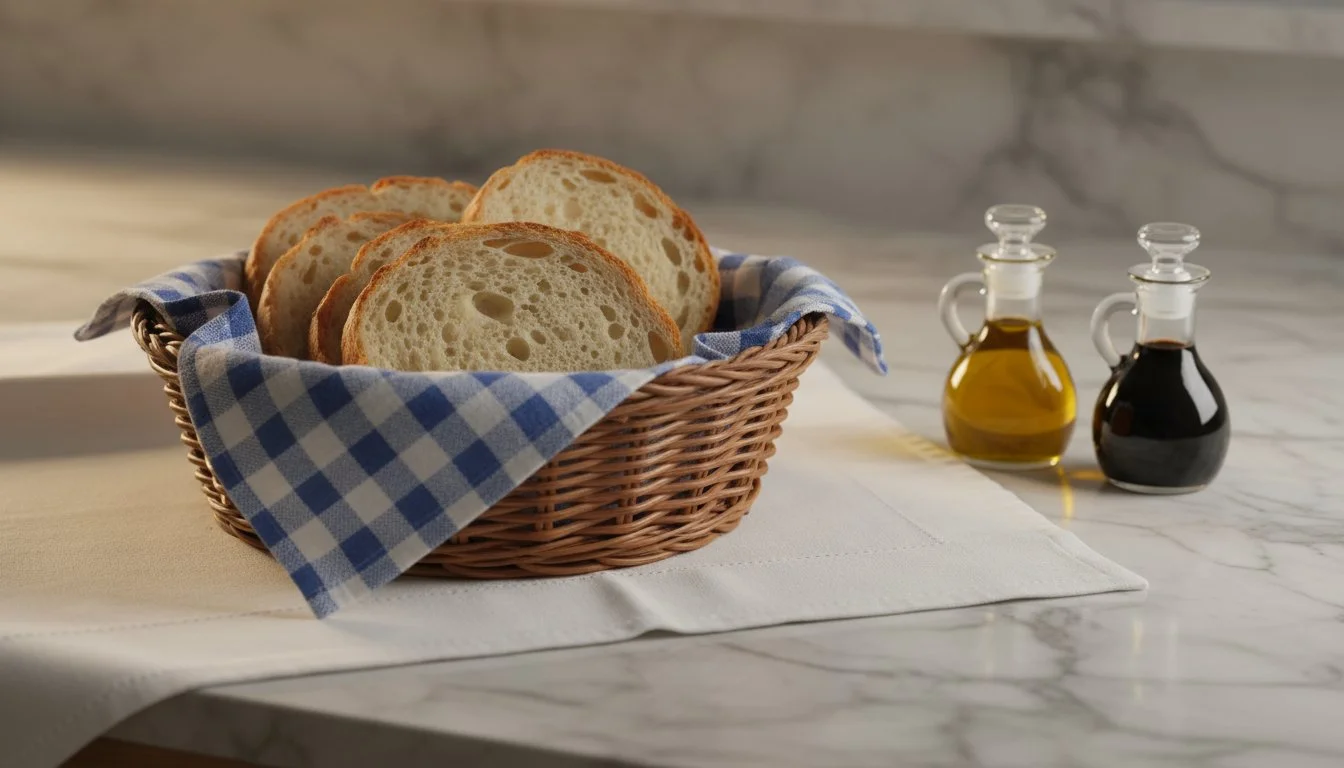
Bread takes on many different physical and emotional roles. It quells gnawing pangs, gathers families and friends around bonding rituals, and allows us to travel well-fed. Freshly baked bread never fails to tantalize. Prehistoric peoples pounded grain into flatbread for caloric reliability, and populations worldwide today still rely on fancier and fancier versions as a staple source of nourishment.
However, when people try to lose weight, inevitably, bread consumption is one of the first things that must be carefully managed. Before explaining why and how, I emphasize that bread should not be demonized as a waistline destroyer! Just as money itself is not the root of all evil (rather, the excessive or illicit pursuit of it), it is overindulgence and poor bread choices that wreck healthy diets.
There are myriad ways to enjoy bread in moderation. Today, we focus on the specific situation of the bread basket that accompanies many delightful meals in restaurants or homes. In France, the quality of bread – even if supplied free of charge – can make or break a restaurant’s reputation. So, when dining in Paris, Lyon, Nice, or anywhere respectable in l’Hexagone, expect top quality crunch-to-chew, bubbly, stretchy goodness that you will crave after the first bite.
When you are given a gorgeous array of warm bread before your meal arrives, your ravenous body and mind is confronted with a split second decision. It is in this moment that you can set an excellent tone to the meal. Before we dive into the bread basket dos and don’ts, always remember – do not arrive at any dinner event famished! You will have almost zero willpower in the tank. One should always avoid eating too much bread before a meal as it causes blood sugar to spike within about 10–15 minutes, peaking around 60 minutes for white bread, and taking 2–3 hours to settle. This in turn can trigger an insulin surge, which means you could experience a post-meal dip with fatigue, hunger, and cravings. Paradoxically, this means eating bread to patch hunger could lead to consuming more food throughout the meal!
Dos
1. Decide on the total number of slices you will have during that meal and stick to it. Do not be overly restrictive (nor overly generous). Assuming an average of 150 calories (up to you if you include butter) per slice, two of them will be sufficient. Remember that this is not the last thing you will ever eat, and a full meal is coming your way.
2. Eat bread with your meal or starter, and not on its own. This is what it’s meant for (especially in Europe).
3. If service is extremely slow and your meal is taking forever to emerge, you can expect that more bread will be brought out to appease hungry and cranky customers. Give yourself at least 10 minutes after the server brings the basket round before taking a slice. Drink water while eating bread to help control the pangs and slow down your pace.
4. When you meet exceptional works of art that are simply irresistible, ask your server if you can buy a loaf to take home. Virtually all restaurants will happily oblige. Bringing home a loaf means you can resist FOMO at dinner, and you will even have some to share with friends or family the next day. I recall the most delectable indigenous bread (unleavened Bannock bread) at La Traite in Quebec. After reaching for my third slice, I decided to order a loaf to-go. The stylish packaging was almost as exciting as the contents and I ended up bringing it as a hostess gift for a party we attended the next day.
Don’ts
1. One basket is usually sufficient per table. Unless there are hungry kids who polished off your portion, try to refrain from asking for more.
2. Don’t eat your bread faster than the main meal. The bread is there to soak up sauces and act as a complement to the star event.
3. Avoid mindlessly topping your bread with butter or olive oil. Those fats and calories add up in a few heartbeats. Instead, spread the thinnest layer possible, and take the lightest dip possible – preferably mixed with balsamic vinegar. Let the morsel melt in your mouth for a few seconds to properly enjoy it.
To sum, savoring your bread basket is one of those unconscious habits that should oriented mindfully. Especially for those who eat out frequently at nicer restaurants, this small change could be just the tweak needed to start shifting stubborn pounds. There’s not much you can change about social obligations that come with your work or life – in fact, one should always enjoy the advantages of sharing time and cultivating relationships over meals. So, there’s no need to dodge meals or order the saddest salad on the menu. Start with this one change and your body will respond positively!
